
Can Aesthetic Treatment Technology Help You Avoid Overtreatment?
Many people worry about getting too much cosmetic treatment. Whether it’s excessive filler, unnecessary procedures, or treatments that don’t match their actual needs, overtreatment has become a common concern in aesthetic medicine.
This is where aesthetic treatment technology is making a difference. Modern clinics are increasingly using advanced imaging systems, artificial intelligence, and facial assessment tools to make treatment recommendations based on measurable data rather than guesswork alone.
The goal is simple: help patients receive the right treatment, in the right amount, at the right time.
What is Overtreatment in Aesthetic Medicine?
Overtreatment occurs when a patient receives more treatment than is necessary to achieve a desired result.
This can include:
- Excessive dermal filler
- Too many treatment sessions
- Treating multiple areas unnecessarily
- Following beauty trends instead of individual needs
- Chasing unrealistic expectations
Overtreatment can affect facial balance and sometimes lead to results that appear less natural over time.
For this reason, many practitioners are turning to aesthetic treatment technology to support more objective decision-making during consultations.
Looking for Natural Dermal Filler Results?
Get a balanced, natural enhancement tailored to your facial features with a careful, personalised approach.
Why is Aesthetic Treatment Technology Important?
Aesthetic treatment technology helps practitioners evaluate the face and skin using measurable data rather than relying solely on visual observation.
This creates a more personalised approach to treatment planning.
Rather than asking what treatment should be performed, practitioners can first determine:
- What concerns actually exist
- Which issues are most significant
- Whether treatment is needed now
- Which treatment may provide the most benefit
This approach can reduce unnecessary procedures and support more natural-looking outcomes.
Recent research has shown growing interest in AI-assisted technologies for treatment planning, patient assessment, and outcome prediction within aesthetic medicine.
How Does Technology Help Prevent Overtreatment?
Technology helps reduce overtreatment by providing objective data.
Instead of making decisions based only on perception, practitioners can use imaging systems and software to identify measurable changes in facial structure and skin quality.
This allows treatment recommendations to be based on evidence rather than assumptions.
Common Technologies Used in Cosmetic Clinics
Technology | Purpose |
3D Facial Imaging | Captures facial volume and structure |
Skin Analysis Systems | Evaluates skin texture, pores, pigmentation, and wrinkles |
Digital Photography | Tracks progress over time |
Facial Symmetry Analysis | Measures facial proportions |
Treatment Simulation Software | Visualises possible outcomes |
AI-Based Assessment Systems | Supports consultation and treatment planning |
Each of these technologies contributes to a more informed consultation process.
What is Facial Analysis Technology?
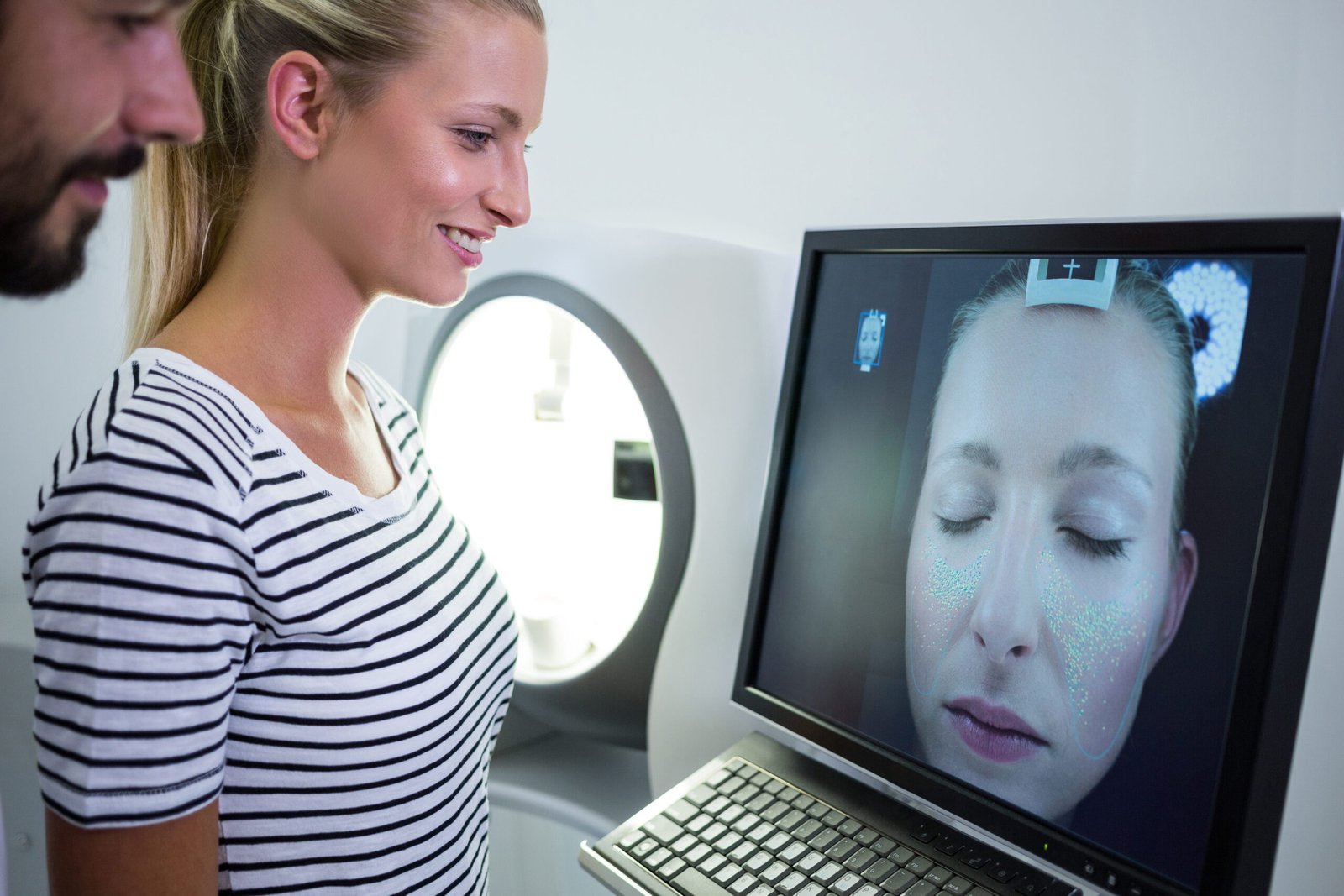
Facial analysis technology uses specialised software and imaging systems to evaluate facial structure, proportions, symmetry, and signs of aging.
The technology can identify:
- Volume loss
- Facial asymmetry
- Changes in facial contours
- Wrinkle development
- Skin quality concerns
By identifying the underlying causes of a concern, practitioners can focus on treatments that address the root issue rather than treating multiple areas unnecessarily.
This often leads to more conservative treatment plans.
What is Digital Facial Mapping?
Digital facial mapping is a technology that creates a detailed visual assessment of facial anatomy and proportions.
It can help identify:
- Facial balance
- Volume distribution
- Areas of asymmetry
- Aging patterns
- Potential treatment zones
Because the information is visual and measurable, patients can better understand why certain treatments are recommended and why others may not be necessary.
Digital facial mapping can also help establish a baseline for monitoring changes over time.
Can AI Predict Aesthetic Treatment Outcomes?

AI can help predict possible treatment outcomes, but it cannot guarantee them.
Many modern AI aesthetic consultations use imaging data, facial measurements, and pattern recognition to estimate how different treatments may affect appearance.
AI can assist with:
- Treatment simulations
- Outcome visualisation
- Treatment comparisons
- Patient education
- Consultation support
However, results still depend on factors such as anatomy, healing response, lifestyle, and practitioner expertise.
AI should be viewed as a decision-support tool rather than a replacement for clinical judgment.
How Do Aesthetic Assessment Tools Improve Consultations?
Aesthetic assessment tools help create a structured and consistent evaluation process.
These tools can:
- Establish baseline measurements
- Monitor treatment progress
- Track changes over time
- Improve treatment planning
- Reduce subjective bias
Without objective assessment, treatment recommendations may vary significantly between consultations.
By using data-driven evaluations, clinics can create treatment plans that are more personalised and easier to justify.

If you'd like to learn more about how clinics use advanced imaging before recommending procedures, read Why Clinics Are Using Imaging Tools Before Aesthetic Treatments.
How Do Clinics Avoid Overtreatment?
Clinics that prioritise patient-centered care often use multiple strategies to avoid overtreatment.
These include:
Performing Comprehensive Assessments
Treatment decisions should begin with a full evaluation rather than focusing on a single concern.
Using Imaging Technology
Modern imaging systems help identify concerns that may not be obvious during a visual examination.
Taking a Gradual Approach
Many practitioners prefer conservative treatment plans that can be adjusted over time rather than making dramatic changes during a single appointment.
Tracking Progress Over Time
Comparing current images with previous assessments helps determine whether additional treatment is truly needed.
Technology is also changing how skin health is monitored between visits. For a deeper look at this topic, explore Smart Skin Tracking: How AI Is Changing Real-Time Skincare Monitoring.
Common Mistakes That Lead to Overtreatment
Even with advanced technology, overtreatment can still occur.
Some common causes include:
Following Social Media Trends
Popular treatments are not always suitable for every individual.
Treating Every Imperfection
Not every asymmetry or wrinkle requires correction.
Ignoring Facial Harmony
Improving one feature excessively can affect overall facial balance.
Relying Only on Simulations
Treatment simulations can be helpful, but they are estimates rather than guarantees.
Seeking Perfection
Natural facial variation exists in everyone. Pursuing perfection often leads to unnecessary procedures.
Want a More Informed Treatment Plan?
Technology can provide valuable insights, but understanding those insights is equally important.
What Should Patients Ask Before Treatment?
Before proceeding with any cosmetic procedure, consider asking:
- Was a full facial assessment performed?
- Were photographs or imaging used?
- Why is this treatment being recommended?
- Are there alternative options?
- What happens if I choose not to proceed?
- Is the treatment plan gradual and personalised?
These questions encourage informed decision-making and can help reduce the risk of overtreatment.
Have Questions About Your Treatment Options?
Every face ages differently, and every treatment plan should reflect individual needs rather than trends. If you're considering aesthetic treatments and want guidance based on objective assessment, speak with a qualified practitioner.
Conclusion
Aesthetic treatment technology is improving how clinics plan procedures by using imaging, facial analysis technology, digital facial mapping, and data-driven assessments. It helps reduce overtreatment by making decisions more objective and personalised.Â
While it cannot replace professional expertise, it supports safer planning and more balanced, natural-looking results as technology continues to evolve in aesthetics.
FAQs
Can AI predict aesthetic treatment outcomes?
AI can estimate potential outcomes by analysing facial features and treatment data, but it cannot guarantee results because every patient responds differently.
What technology is used in cosmetic clinics?
Many clinics use 3D imaging systems, skin analysis devices, facial assessment software, digital photography platforms, and AI-assisted consultation tools.
Is digital facial mapping accurate?
Digital facial mapping provides detailed information about facial proportions and anatomy. It improves assessment accuracy when used alongside professional evaluation.
Are AI aesthetic consultations replacing practitioners?
No. AI aesthetic consultations support clinical decision-making but do not replace professional expertise and judgment.
What are the benefits of facial analysis technology?
Facial analysis technology helps identify structural changes, asymmetry, volume loss, and aging patterns, allowing for more targeted treatment recommendations.