
Post-Inflammatory Hyperpigmentation: Causes and Summer Care Tips

Post-inflammatory hyperpigmentation is a common skin concern that appears as dark spots or patches after acne, irritation, or skin injury. It is not a scar but a form of skin discoloration caused by excess melanin production after inflammation.

According to dermatology research published on NCBI, post-inflammatory hyperpigmentation is especially common in individuals with medium to darker skin tones and can take months to even years to fully fade, depending on depth and skin type.

In summer, this condition often becomes more visible because UV exposure stimulates melanin activity, making dark spots more prominent and harder to treat.

What is Post-Inflammatory Hyperpigmentation?
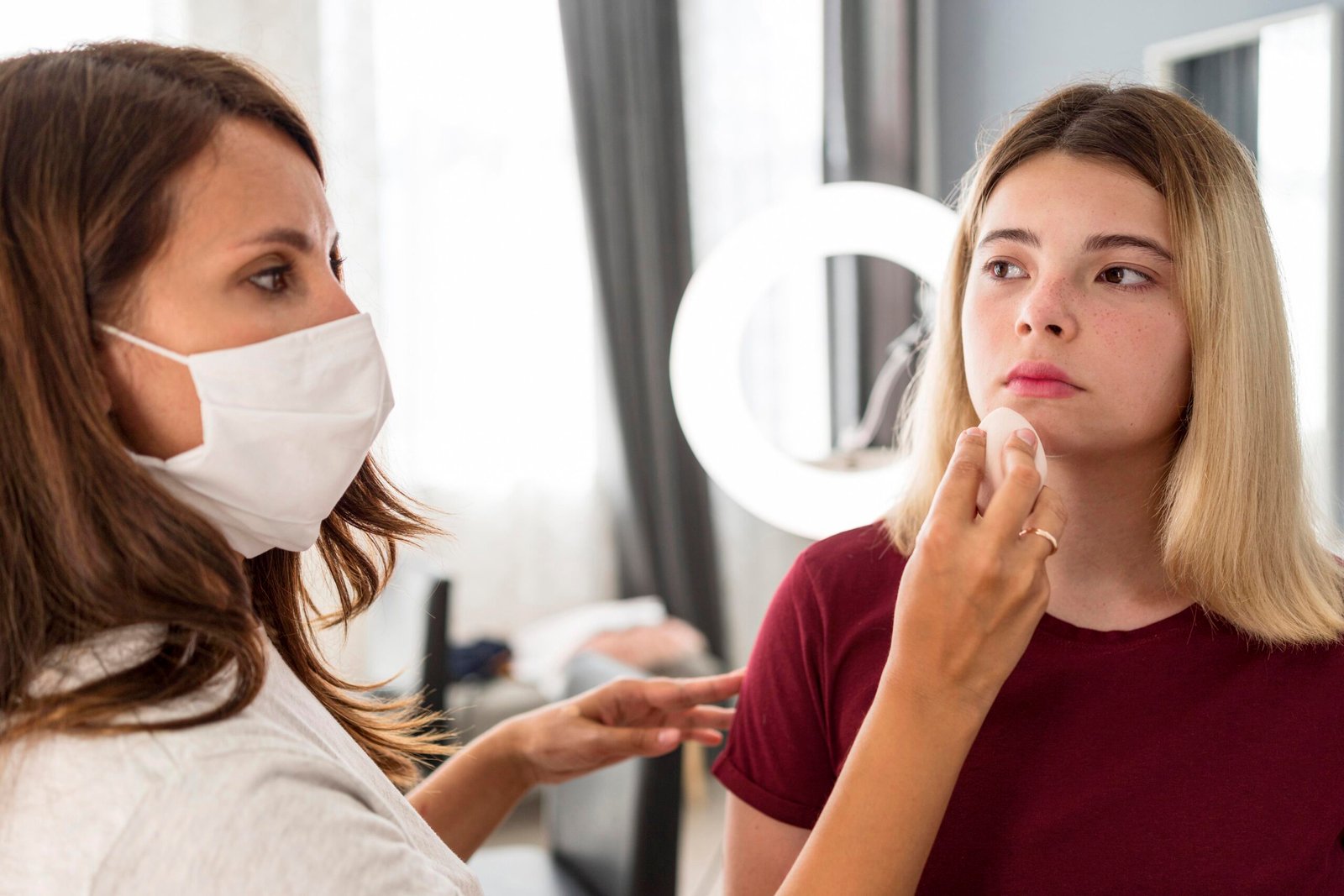
Post-inflammatory hyperpigmentation (PIH) is a reactive skin response that occurs after inflammation. When the skin is injured or irritated, it produces extra melanin, leading to dark patches.

These marks usually appear as:

  • Light brown to dark brown spots
  • Flat patches on previously inflamed skin
  • Areas where acne or irritation has healed

PIH is not raised or textured, which is why it is often confused with acne scarring.

Causes of Post-Inflammatory Hyperpigmentation

Acne and Breakouts

Acne is the leading cause of PIH globally. Studies show acne-related inflammation is responsible for the majority of pigmentation cases in dermatology clinics.

Sun Exposure

UV radiation significantly worsens pigmentation. Sunlight activates melanocytes, increasing melanin production and darkening existing spots.

Skin Trauma or Irritation

Picking pimples, harsh exfoliation, or scratching the skin increases inflammation and leads to deeper pigmentation.

Skincare Overuse

Overusing strong actives like retinoids or acids without barrier support can trigger irritation and pigmentation.

Why PIH Gets Worse in Summer

Summer conditions directly impact how long pigmentation lasts.

Increased UV Exposure

UV rays and visible light both stimulate pigment production, making dark spots darker and more persistent.

Heat-Induced Inflammation

Higher temperatures increase skin sensitivity, leading to more inflammation and slower healing.

Breakouts From Sweat and Oil

Sweat and clogged pores often lead to new acne, which creates fresh pigmentation marks.

Summer Care Tips for Post-Inflammatory Hyperpigmentation
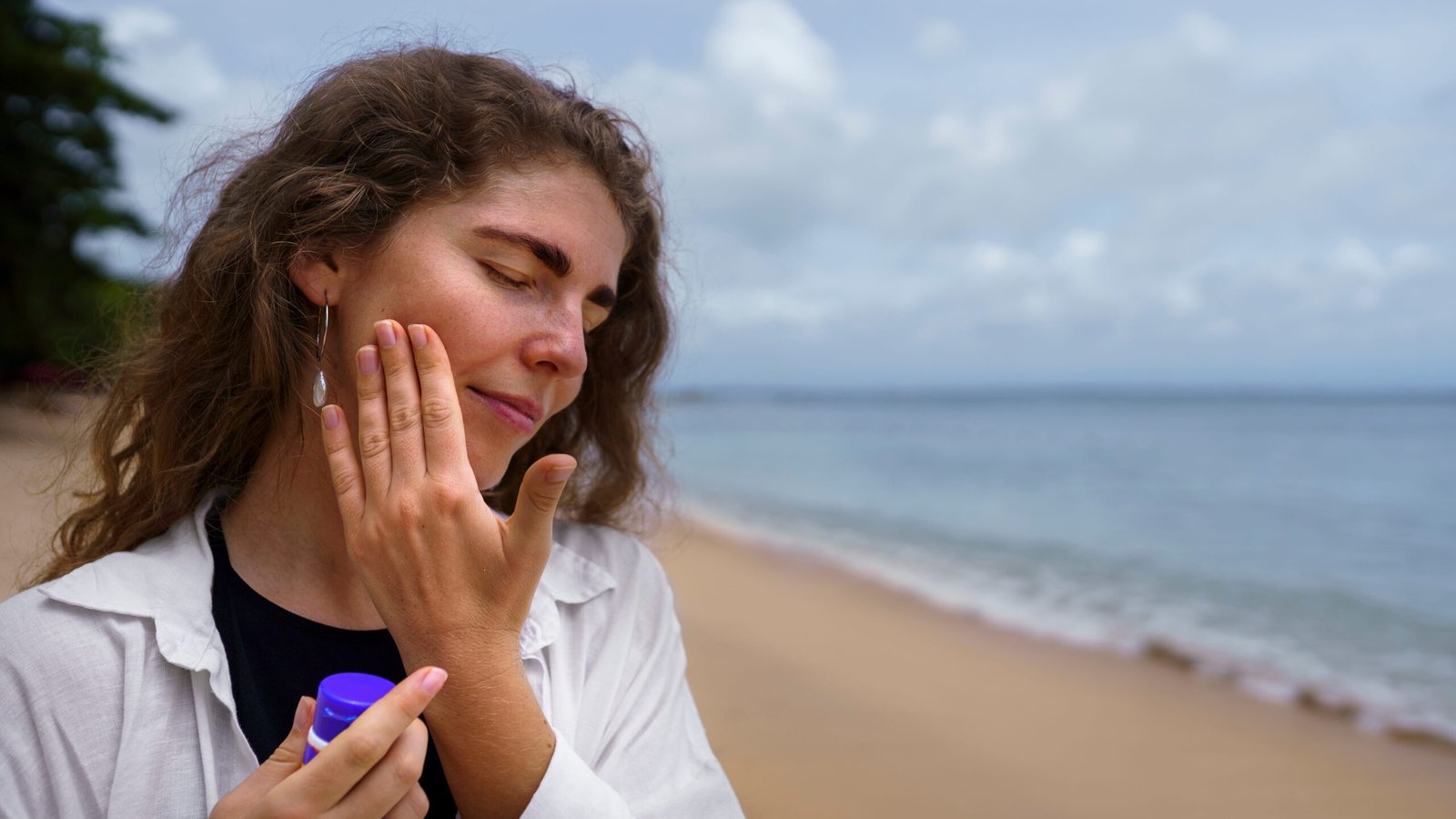
Daily Sunscreen Is Non-Negotiable

One of the most important steps in managing post-inflammatory hyperpigmentation is consistent sun protection. Dermatology reviews confirm that sunscreen helps stabilise pigmentation and prevents worsening of dark spots.

Use:

  • SPF 30 or higher
  • Broad-spectrum protection (UVA + UVB)
  • Reapplication every 2–3 hours outdoors

Gentle Skincare Routine

Avoid aggressive scrubs or strong exfoliation during summer. A damaged skin barrier slows healing and increases pigmentation risk.

Focus on:

  • Gentle cleansers
  • Barrier-repair moisturisers
  • Minimal irritation routine

Brightening and Soothing Ingredients

Effective ingredients for post-inflammatory hyperpigmentation treatment include:

  • Niacinamide
  • Vitamin C
  • Azelaic acid
  • Licorice extract

These help reduce melanin production and improve skin tone over time.

Professional Pigmentation Treatment

If your dark spots are persistent or getting worse, professional treatment can significantly speed up results. Looking for faster and safer results? Consider a professional evaluation before trying multiple products.

Best Treatments for Post-Inflammatory Hyperpigmentation

Over-the-Counter Options

Topical treatments with vitamin C, retinoids, and niacinamide can gradually fade pigmentation with consistent use.

Dermatological Procedures

For stubborn cases, dermatologists may recommend:

  • Laser resurfacing
  • Controlled chemical peels
  • Combination therapy

Clinical studies highlight that combination treatment is often the most effective approach for long-term PIH management.

Persistent pigmentation should not be ignored, especially if it affects confidence or worsens over time. Book a consultation with a skin specialist to get a customised treatment plan for your skin type and condition.

How Long Does PIH Take to Fade?

The healing timeline depends on:

  • Depth of pigmentation
  • Skin type and tone
  • Sun exposure
  • Skincare consistency

Mild cases may fade in a few weeks, while deeper pigmentation can take several months or longer.

Not sure what’s causing your dark spots or how to treat them? Contact us for personalised skincare advice and expert guidance tailored to your skin concerns.

Summer Care Tips for Post-Inflammatory Hyperpigmentation

  1. Apply sunscreen SPF thirty or higher daily
  2. Reapply sunscreen every two hours outdoors
  3. Use a gentle cleanser without harsh chemicals
  4. Avoid picking or touching active pimples
  5. Apply vitamin C serum for brightening skin
  6. Use niacinamide to reduce skin inflammation
  7. Keep skin hydrated with a lightweight moisturiser
  8. Avoid over-exfoliation during hot summer months
  9. Wear protective hats and seek shade outdoors
  10. Maintain a consistent skincare routine for better results

Final Note

Post-inflammatory hyperpigmentation is a treatable skin condition that improves with consistent care and protection. Sun exposure, acne, and irritation are major triggers, especially in summer. With proper sunscreen use, gentle skincare, and targeted treatments, dark spots can fade gradually. Early intervention ensures faster results and healthier, more even-toned skin overall.

FAQs

Can post-inflammatory hyperpigmentation go away naturally?

Yes, but it may take weeks to months, depending on skin type and sun exposure.

Does sunscreen really help PIH?

Yes, sunscreen prevents further darkening and supports faster fading.

What is the fastest treatment for dark spots after acne?

A combination of sunscreen, active skincare ingredients, and professional treatments works best.

Is PIH permanent?

No, it is usually temporary if managed correctly.

What ingredients work best for pigmentation?

Vitamin C, niacinamide, azelaic acid, and retinoids are widely recommended.

Tejal Sangani is a London and Brighton-based non-surgical cosmetic practitioner, prescribing pharmacist with 15 years’ experience, practicing at Sarivaa Aesthetics, Brighton’s most affordable aesthetic clinic.

4.4/5

Based on 135 reviews

Scroll to Top