
The Role of Facial Anatomy in Botox Dosage
Facial anatomy plays a key role in determining Botox dosage differences. Muscle size, tone, and movement patterns all affect how many units are required. A consultation typically evaluates muscle strength, skin type, and facial structure to create personalised Botox treatments.
Muscle Strength and Activity
Stronger facial muscles often require more Botox units. For example, a strong forehead muscle may need higher doses to reduce visible lines. Individuals with more active facial expressions may also require additional units for effective results.
Muscle Contraction Patterns
The frequency and intensity of facial movements, such as smiling or frowning, influence factors affecting Botox results. Repeated muscle activity creates deeper lines, which may require higher Botox doses for smoother results.
Treatment Areas and Injection Sites
Different areas of the face require varying amounts of Botox, contributing to Botox dosage differences.
Forehead Lines
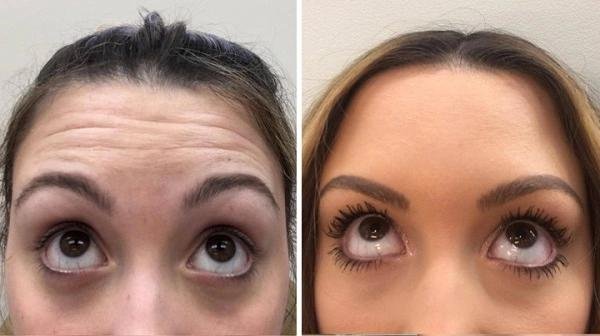
Botox injections in the forehead relax the frontalis muscle, reducing horizontal lines. Typically, 10 to 30 units are needed, depending on muscle strength and wrinkle depth.
Crow’s Feet
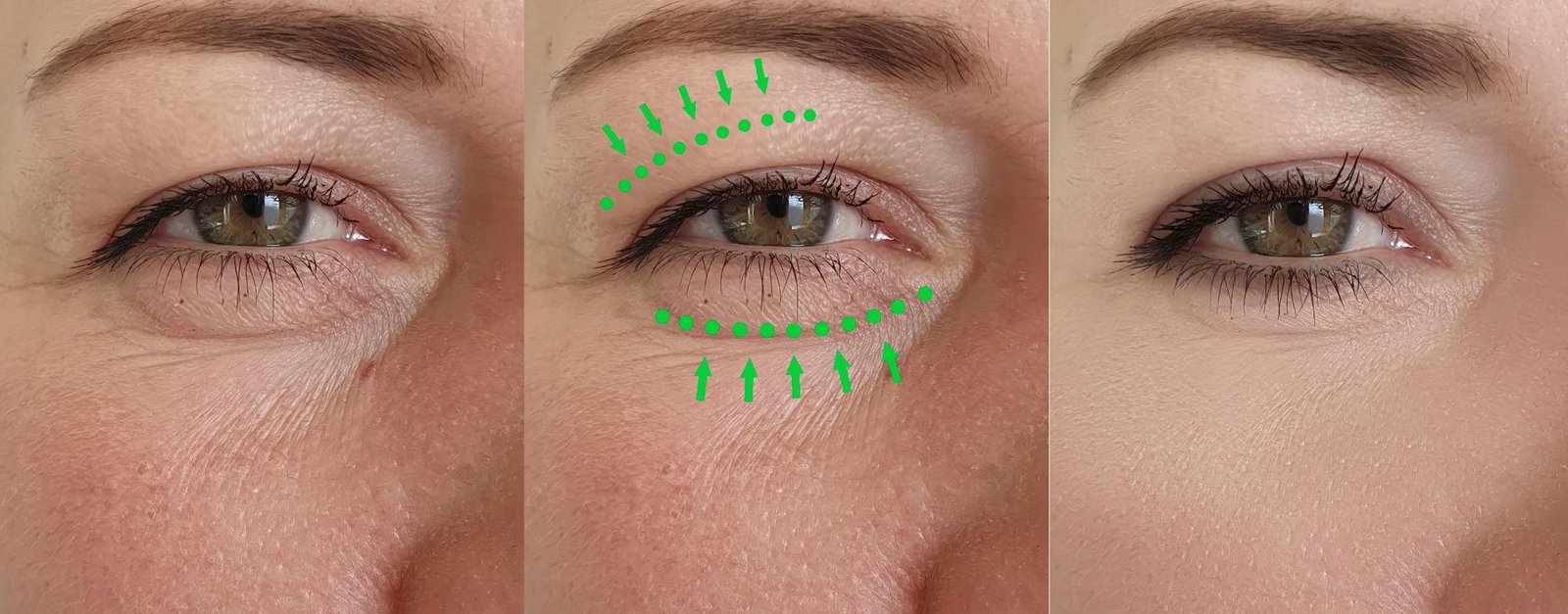
Crow’s feet usually require 5 to 15 units per side. Men may need closer to 15 units due to stronger muscles. Lifestyle factors like sun exposure can also impact results.
Frown Lines
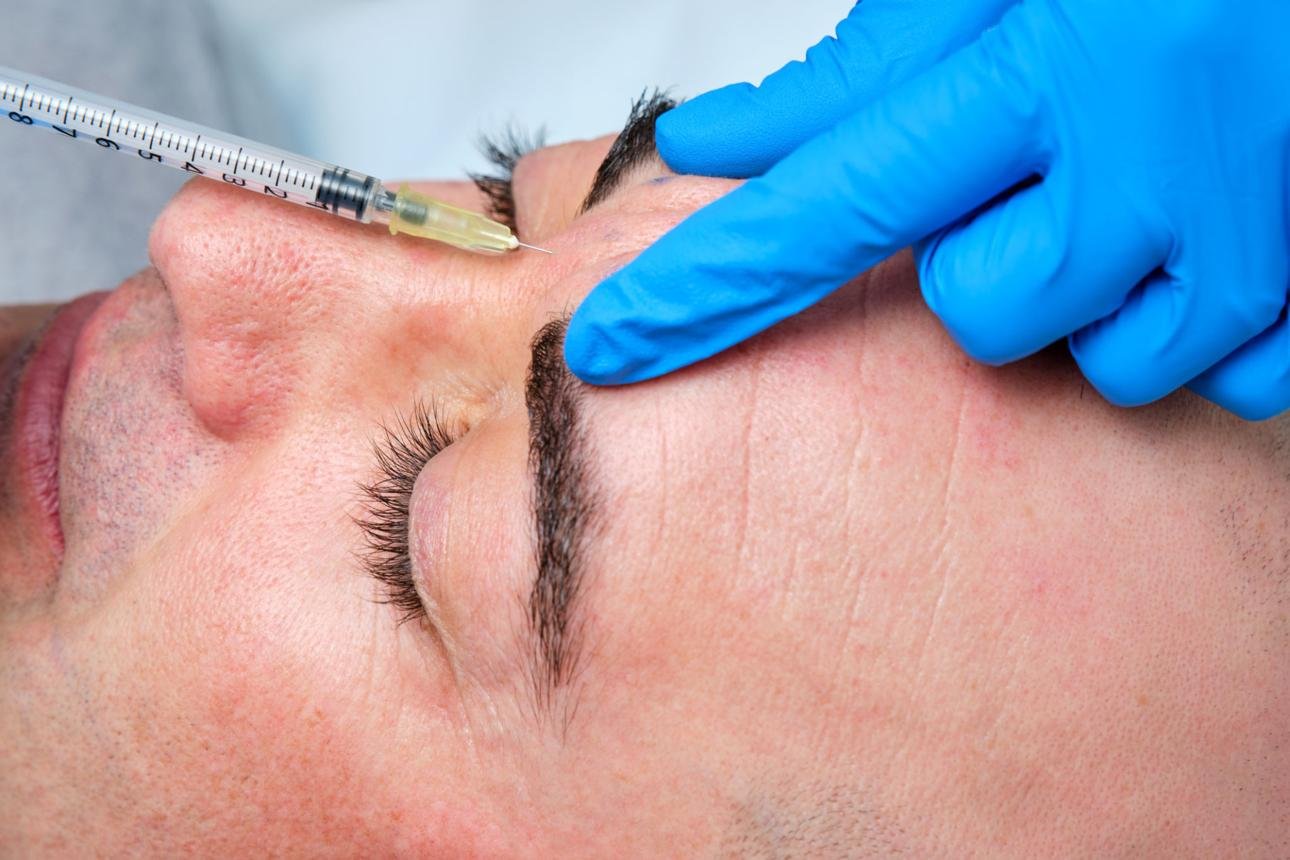
Frown lines typically need 10 to 25 units. Stronger muscles in this area can increase dosage requirements.
How Age and Skin Condition Affect Botox Dosage Differences
Age and skin quality significantly affect Botox dosage differences.
Aging and Wrinkle Depth
As skin ages, wrinkles become deeper and more defined. This often means more Botox units are needed to achieve noticeable improvement. Reduced collagen levels may also shorten how long results last.
Skin Elasticity
Skin elasticity plays a major role in Botox for different skin types. Less elastic or thicker skin may require more units to achieve smooth, even results.
Gender Differences in Botox Requirements
Gender is another important factor in Botox dosage differences.
Male vs. Female Facial Muscles
Men typically have larger and stronger facial muscles than women. As a result:
- Men may need 50–80 units for the upper face
- Women usually need 30–50 units
Hormonal Influences
Hormones can impact skin thickness and muscle behavior, which affects how Botox works and how much Botox do you need for optimal results.
Desired Results and Personal Goals
Your aesthetic goals directly influence Botox dosage.
Subtle vs. Dramatic Changes
Patients seeking subtle improvements usually need fewer units, while those wanting more dramatic changes require higher doses. The trend toward natural-looking Botox has made lighter treatments more popular.
Personalised Botox Treatments
Every treatment should be tailored to the individual. Personalised Botox treatments ensure the right balance between effectiveness and a natural appearance.
Maintenance Treatments and Botox Over Time
Regular treatments can change how your body responds to Botox.
Maintenance Treatments
Consistent sessions may reduce the number of units needed over time as muscles become less active. This supports long-term, natural-looking Botox results.
Botox Tolerance Over Time
Some patients may develop a tolerance, meaning they need slightly higher doses in future sessions. Monitoring results helps adjust treatment effectively.
Importance of Professional Consultation
Consulting a qualified professional is essential for managing Botox dosage differences safely.
Personalised Treatment Plans
Experts assess facial anatomy, skin type, and goals to determine how much Botox do you need. Starting with a lower dose and adjusting over time often delivers the best results.
Expert Recommendations
- Evaluate results after two weeks
- Adjust dosage if needed
- Follow up regularly for maintenance
Summary
In summary, Botox dosage differences are influenced by facial anatomy, muscle strength, treatment areas, age, gender, and personal goals.
Understanding these factors helps you achieve safe and effective results. Working with a qualified professional ensures personalised Botox treatments and natural-looking Botox outcomes tailored to your unique needs.