Author name: syed@spotlightgb.com

Micro Botox trend
Uncategorized

Micro-Botox: The Trend of Subtle Enhancements for a Natural Look

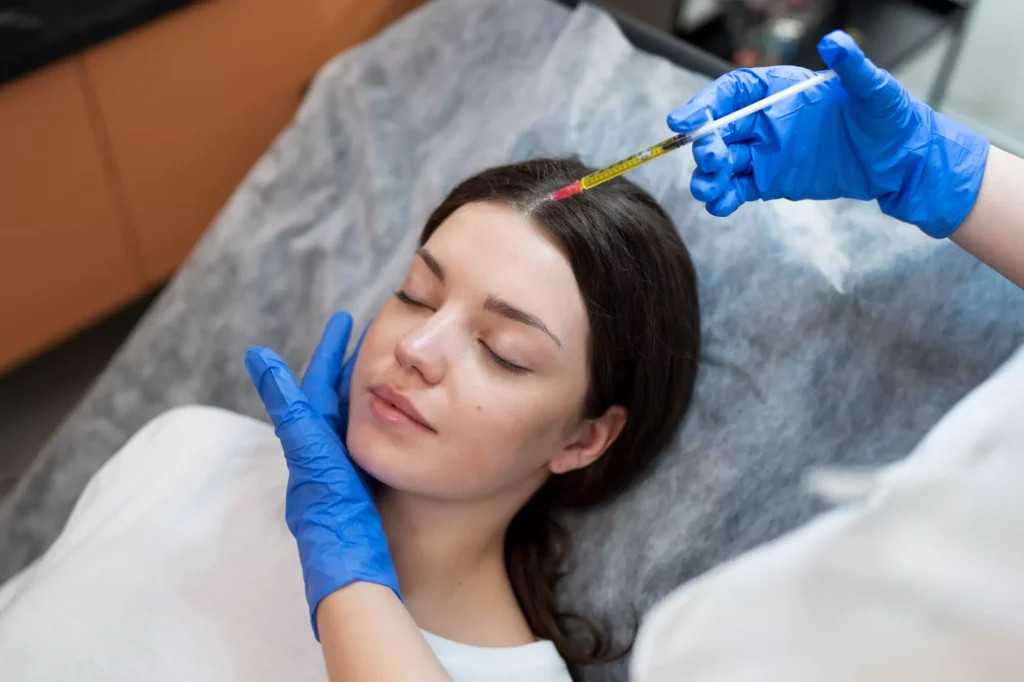
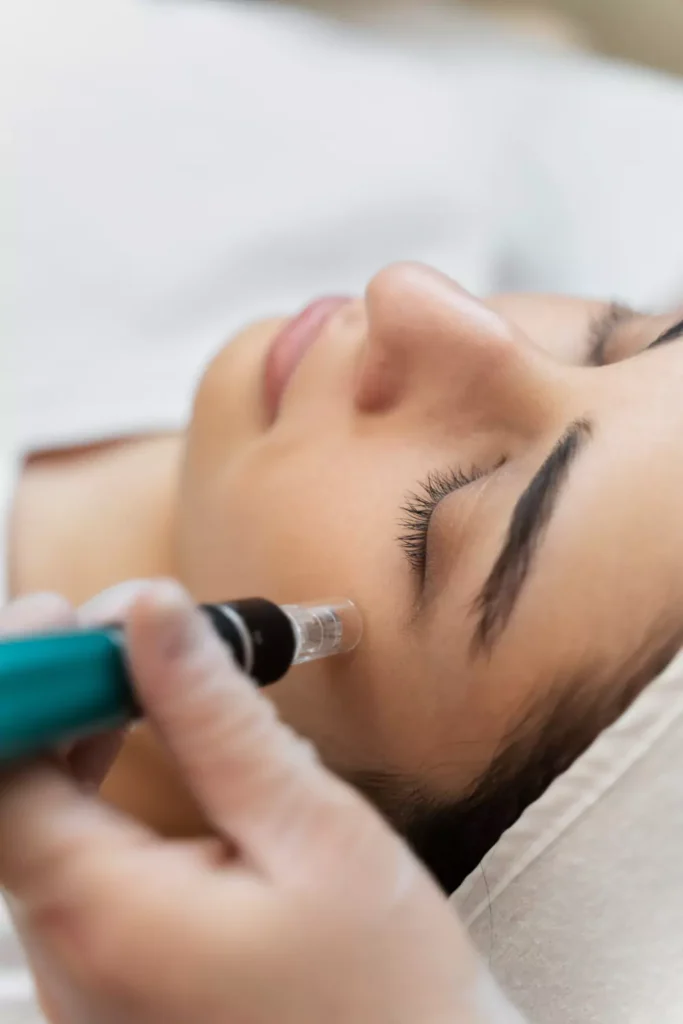
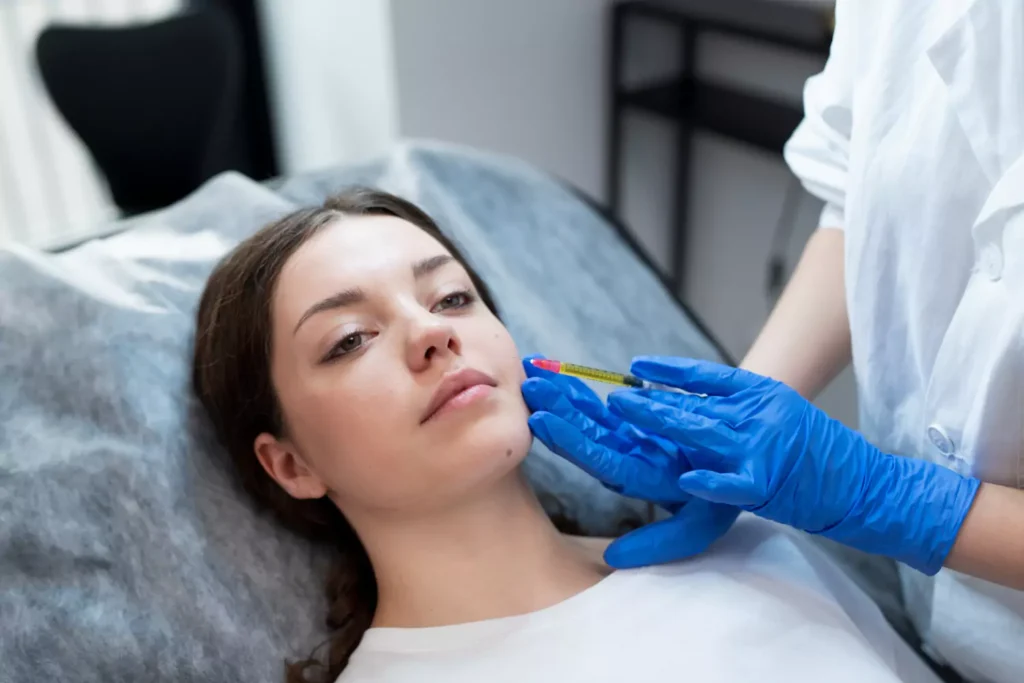
Micro-Botox: The Trend of Subtle Enhancements for a Natural Look In recent years, Micro-Botox treatments have surged in popularity, going from a specialised treatment to a popular beauty trend enjoyed by many different people. Microbotox is the injection of multiple microdroplets of diluted botulinum toxin into the dermis or the interface between the dermis and the superficial layer of facial muscles. Botox treatments include anti-ageing benefits and involve administering neurotoxin injections to paralyse targeted facial muscles temporarily. This relaxes the muscle parts of the face, sharpens your jawline, and reduces wrinkles caused by muscle movement.  However, Botox has developed a reputation for limiting muscle movement to the point that facial expressions can appear stuck or frozen due to inexperienced injectors who use the same Botox treatment for every patient. It’s an excellent method to rejuvenate the skin. It is trendy among younger patients who hope to prevent wrinkles from forming. Several Factors Contribute To The Rising Popularity Of Botox Treatments: Several related variables contribute to the growing popularity of Botox treatments. First, it was established that the use of BOTOX for cosmetics has increased over time because knowledge about the treatment and acceptance of cosmetic surgery in society has increased gradually. Botox has become popular, societal attitudes have changed regarding using Botox, many celebrities have used it, social networks have influenced its increased popularity, and media plays an important role in the presentation of Botox as a safe method. More so, there are more young people in their 20s and 30s who take Botox injections to prevent them from getting wrinkles, thus adding to the ever-growing popularity of the product. The effect of Botox is almost immediate. Therefore, it is a perfect treatment for those needing fast results with short downtime. It is also becoming more popular to employ less amounts of Botox treatments as compared to before since aesthetically pleasing results are now emphasised to be more subtle. Botox treatment is becoming more accurate and lasting with increased awareness of its technological application. Botox and other non-surgical treatments like dermal fillers, lasers, and micropigmentation are slowly becoming more popular around the world as a way to rejuvenate the face. How Does Micro-Botox Work? Micro-Botox works on the arrector pili muscles, which open pores, as well as the sweat and oil glands, to smooth the skin and make it look better overall. A microneedling tool is used to spread Botox evenly across the skin cells and get a result that isn’t too noticeable and looks natural. This treatment makes the skin look and feel better and lets the face move naturally without changing the muscles that hold it up. Benefits of Micro-Botox: Treatment For Reducing Acne: Micro-botox treatment assists in the reduction of sebum in skin pore openings, which can assist in the management of acne. However, if there is active inflammatory acne, then it is not good to use Micro-Botox in the treatment. Therefore, before going for the Micro-Botox for acne treatment, it is advisable to seek the dermatologist’s advice regarding the solution. Improves Under-Eye Appearance: Botox helps minimise the strength of the signals required to make the muscles around the eyes contract when removing puffy eyes or eye bags. It may also aid in the anabolism of collagen, particularly at the local sites of treated tissues. Reduces Facial Muscle Tension: Micro-botox injections may work since they interfere with the nerve endings of the skin’s uppermost layers, decreasing nerve sensitivity. This reduces uncomfortable sensations, such as rigidity. It is helpful for those with constant tension in the head and face region, bruxism, migraines, or even TMJ conditions. Minimises Oil Production: Botox injections could also control sebum secretion in the T-zone region, diminishing shininess and improving skin tone. Micro-Botox also helps avoid future breakouts and keep skin clear and healthy-looking all the time.   Micro-Botox For Younger Skin: In addition to treating fine lines and wrinkles more naturally, Botox injected into the skin (as opposed to only the muscles as with conventional Botox) can also reduce pore sizes and lift and tighten the skin. This treatment does wonders for the skin; it achieves the silk look with no visible pores and freshness! In other words, Microbotox is a non-surgical facelift that does not need a single tape or stitch. When Will Subtle Botox Effects Take Place, And For How Long Will They Take? Micro-botox treatments have varied outcomes on the skin; it depends on the beauty of the skin type and the outcome received after Micro-Botox treatments. In general, Micro-Botox results may be prolonged for approximately 3-4 months. To extend the lasting effect, maintenance treatments should be every 3-6 months according to the needs of a person and a recommendation from a specialist who prescribed a particular treatment. These are the 3-6 months intervals that most people should come back for a refill to have perfect results of the tattoo. Of course, as a client, the most important thing is to get the best Botox results that are closest to the natural appearance possible. This innovative procedure produces a more believable and refined Botox result, making it ideal for people who desire youthful-looking skin. The Micro-Botox works best in eradicating fine lines, smaller pores and hyperhidrosis, especially in regions such as the forehead, underarms and scalp. Who Should Consider Micro-Botox? It is especially applicable to people who want to reduce their face’s roughness but do not desire significant transformation. This is a good treatment for those who are just a good candidate for Micro-Botox and those who have never done Botox before. Botox procedures are only suitable for some, even in smaller doses. “If you have a history of specific muscle or nerve disorders or have a history of allergies to any ingredients in Botox, you may not be able to get this treatment. Conclusion In micro-botox, Botox is used in very small amounts and at a low percentage for ornamental purposes. It will be used as a tool to make people look better by giving their faces a barely
Can PRP Therapy Replace Cortisone Shots?
Uncategorized

Can PRP Therapy Replace Cortisone Shots? A Look at Pain Management Alternatives

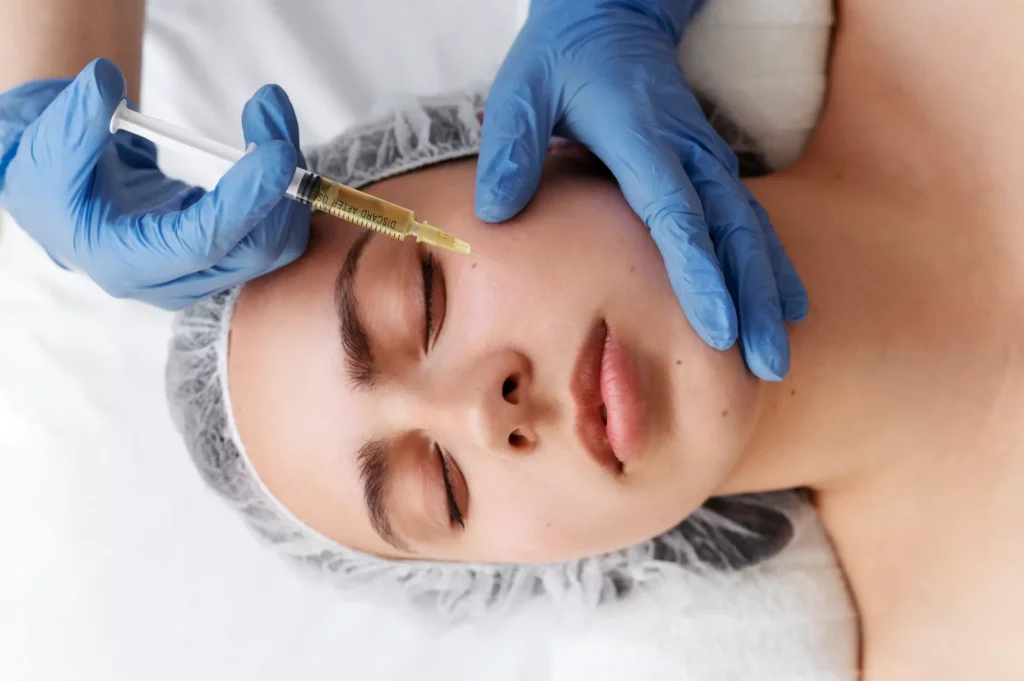
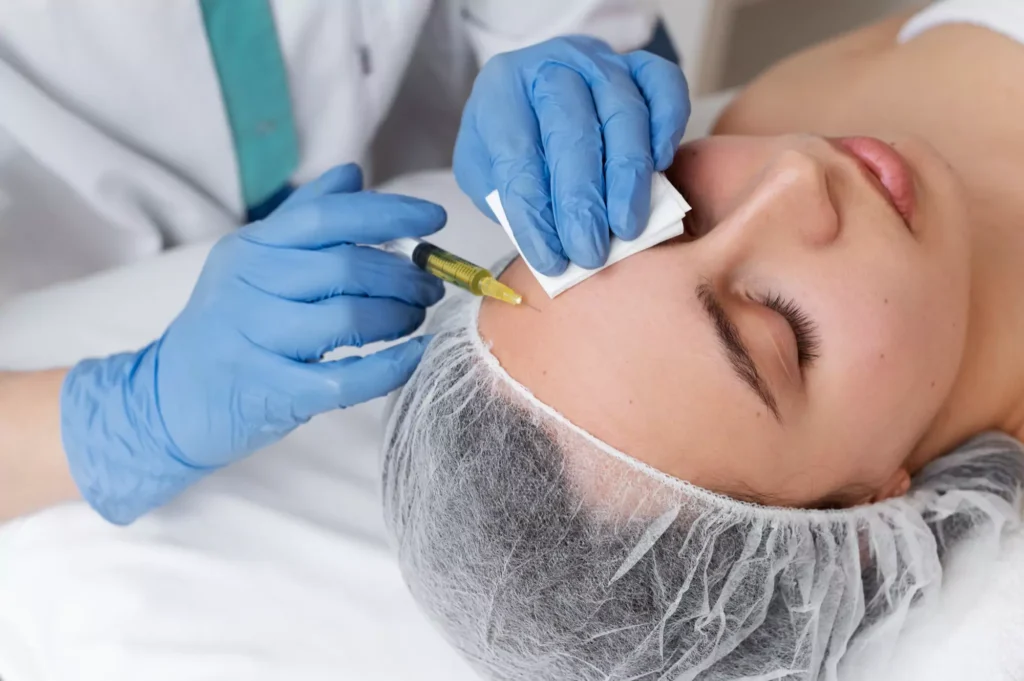
Can PRP Therapy Replace Cortisone Shots? A Look at Pain Management Alternatives Chronic pain caused by sports injuries, arthritis, or overuse can cause problems in your daily life. For a decade, cortisone shots have been the only treatment for managing pain and inflammation. However, PRP therapy has emerged as a better solution with the development in the medical field. But the question that one should ask is whether this PRP therapy can totally supplant cortisone shots for the treatment of pain. Let’s discuss this in detail. Cortisone Shots: The Traditional Approach The famous cortisone shots are anti-inflammatory agents that help with pain arising from various diseases, such as arthritis and other rheumatic disorders, tendinitis, and bursitis. When it comes to the treatment of inflammations, one of the most effective drugs is corticosteroid injections, as they give near-immediate results. Cortisone is also used for swelling and relieving pain; one can be a tennis player again in a few days. Cortisone shots are fast-acting and tend to work very quickly, but, as everybody knows, they have no side effects. Such usage results in cases of weakened tendons, cartilage injuries and reduced bone density, which are very common. The problem with cortisone shots is that they address a particular type of pain and not the cause; so essentially, in many instances, the pain relief that it offers is only a temporary one. SaRivaa is the best treatment for PRP treatment for you. PRP Therapy: A Regenerative Alternative PRP therapy differs because it uses the body’s own healing mechanisms. Blood is withdrawn and processed to concentrate the platelets, which are rich in growth factors. The platelet-rich plasma is injected into the hurt or painful area to promote tissue repair and regeneration. Unlike cortisone shots, whose simple mechanism of action involves reducing inflammation, PRP therapy is essentially about tissue healing. It is more effective for conditions like tendon injuries, osteoarthritis, and chronic soft tissue injury. In short, it is needed where healing and regeneration are the fundamental basis for getting better. Treatment with PRP  leads to slow but steady improvement over several weeks or months because it simply works on the body’s natural healing capacity. This approach is thus targeted more toward long-term recovery and reduction in injury recurrence rather than immediate relief from pain. Differentiating Cortisone Shots and PRP Therapy Effectiveness and Duration: PRP therapy is a much slower and long-term action to alleviate pain as compared to its treatment through healing. It has the advantage of helping to heal the affected tissue and can lead to a chance of having a permanent fix. On the other hand, cortisone shots are effective in giving fast, although nonpermanent, pain and inflammation relief, making them applicable for managing the chronic disease’s flare. Some benefits include the fact that cortisone shots provide a temporary relief that can, in fact, even be long-term, but they only treat the symptoms of the problem, which might need to be treated repeatedly and may sometimes have side effects in the long run. Safety and Side Effects: Overall, PRP therapy is safer than cortisone shots because it involves just the patient’s blood, diminishing the possibility of allergic reactions or infections. Moreover, PRP therapy does not have the potential for such possible side effects as tissue degeneration or hormonal imbalance associated with corticosteroids. You can take cortisone shots once in a while because there are some risks if you use them frequently. Repeated injections weaken tendons, reduce bone mass, and can result in cartilage damage, which might aggravate the condition in the long run. Cost and Accessibility: Cortisone shots are very affordable and usually reimbursed by health insurance; therefore, they are easily available as first-line therapy for managing inflammation and pain. This is because they are affordable and can be quickly obtained; thus, people use them frequently. On the other hand, PRP therapy may be cheaper or costlier depending on different aspects. It is mostly non-reimbursable and thus out of reach for most people who worked on this database until its recent update. PRP may also be limited to patients’ access to specialised clinics and providers, subsequently affecting patient management plans. Long-Term Benefits: The following are some of the significant distinctions one is likely to notice when seeking to understand the relative merits of cortisone shots and PRP therapy. Cortisone shots may be administered regularly as a repeat procedure, where repeated shots may yield reduced benefits in outcomes and considerably lower the risk of side effects, including cartilage and bone erosions and other systemic problems. On the other hand, PRP therapy aims at long-term treatment since it involves utilising the body’s self-healing mechanisms. While the initial cost of getting PRP therapy may be relatively high in the short term, it would take fewer sessions to cure it in the long run. This is less likely to come with side effects that are cumulative and more likely to develop lasting solutions to symptoms. The Right Decision For You It will depend on many factors, including the nature of the injury, the desired outcome, and the patient’s overall health. Cortisone shots may be the best option for those looking to get quick relief from acute pain. Still, PRP therapy offers a much longer-term treatment that focuses more on the root cause of the problem.  At other times, these treatments are done simultaneously. For instance, cortisone is used for fast relief of inflammation, whereas PRP is used for chronic healing. Conclusion Although both PRP therapy and cortisone shots are used in managing pain, they are used with completely different objectives. Cortisone shots provide quick relief among patients who have inflammation and the pain that is associated with it. Still, alleviation is usually transitory and can have possible side effects. While slower to show results, PRP therapy aims at healing and regenerating tissue, presenting a much more long-term approach to pain management. Most importantly, PRP therapy is an exciting alternative to the use of steroids in cases of chronic pain and particularly for long-term recovery. However,

Misconceptions About Platelet-Rich Plasma (PRP) Therapy
Uncategorized

Busting Common Misconceptions About Platelet-Rich Plasma (PRP) Therapy

Busting Common Misconceptions About Platelet-Rich Plasma (PRP) Therapy Is it possible to treat pain or inflammation, speed up healing in body tissue, or cure chronic pain with minimally invasive platelet-rich plasma (PRP) therapy? Autologous platelet concentrate or platelet rich plasma (PRP) therapy has been in vogue in recent times, especially in sports medicine, dermatology, and orthopaedics. However, the following issues still need to be addressed with misconceptions that lead to confusion or the setting of high expectations on PRP, though it is accepted across the country. With the passage of time, people have developed certain misconceptions about PRP therapy, which is why this article was written with the express purpose of setting the record straight and explaining what PRP therapy can do and what it cannot do. In this article, we will debunk these myths to make this therapy available to as many people as possible! Myth #1: PRP Is Dangerous And Not Safe As It Invades Your Blood One myth that people have about PRP therapy is that it is risky since it involves using one’s own blood. In fact, this is where PRP is incredibly safe since it is your own blood that is being used. It entails extraction of your blood, centrifuging to separate the platelets, forming the desired platelet-rich plasma, and injecting it into the targeted zone. In addition, it means that there is no risk of rejection or an allergic reaction since the PRP is taken from your body. This approach (autologous) guarantees compatibility since the body does not reject its own tissue; PRP therapy is safe and natural for healing and tissue reconstruction. Myth #2 PRP Can Be Extremely Painful PRP therapy is not commonly sought by many because they assume that it is aggressive to the skin and body and, therefore, causes a lot of pain besides taking a long time to heal. In some cases, PRP therapy is relatively minimally invasive. Patients who undergo this procedure are not likely to develop complications that are seriously life-threatening. This is done by taking a small portion of blood from the patient and then spinning the blood to get the platelet-rich plasma (PRP), which will then be applied to the injured part of the patient’s body. Some level of patient discomfort at the site where the injections are administered may occur, but this is rare. The recovery period usually takes a short span of time, and most of the patients are able to go back to their day-to-day activities immediately after the surgery. Myth #3: PRP Therapy Works As A Miracle And A One-Stop Solution To All Diseases The myth surrounding PRP therapy is that the technique is a wonderful cure for virtually all ailments. Although PRP has proved effective in treating particular diseases, including tendinitis, arthritis, and baldness, it has limitations. The therapy operates through a concentration of platelets in the patient’s blood, which has to be injected into the given area of the patient’s body. The result of PRP therapy is determined by factors like the type of injuries, the level of the injury, or the overall body system health of the patient. Patients need to have balance in their expectations and get to know that PRP is not the answer to all their problems. Myth #4: PRP Is The Same For Every Individual One of the areas that still confuses a lot of people is that PRP therapy is a standardised treatment, which is totally wrong. PRP is a personalised process because everyone has their own body type and immune system. The platelet concentration, the number of injections, and the frequency of treatment may, therefore, vary depending on the patient’s status or the intervention plan. Furthermore, the result of the PRP therapy also depends on the method used when the PRP is undertaken through preparation and application. It is, therefore, important the client works with a knowledgeable and experienced healthcare provider who will then steer the client through the process of treatment. Myth 5: Science Does Not Support The Use Of PRP Therapy Other misconceptions include the idea that PRP therapy is a quack treatment and is not backed by science. Despite that, it is necessary to point out that more research is required to determine the extent of PRP’s efficacy; however, a growing body of literature supports its application in some disorders. Many researchers have reported improvement when chronic injury of tendons, osteoarthritis, and hair loss conditions, among other diseases, are involved. Also, keep in mind that PRP is a safe and secure therapy because it takes blood from the patient’s body. In this case, it reduces the risk of any consequences after treatment. Myth 6: PRP Therapy Will Give Instant Results Another myth that people often believe is that PRP therapy has an immediate effect. Unlike corticosteroid injections, PRP therapy gives relief from pain in a short time. The treatment will promote our body’s healing process, and, as we all know, healing is a process that needs time. One may notice improvement after a few weeks, especially if one suffers from arthritis or muscular problems. Nonetheless, the maximum benefits of PRP therapy may take at least three to six months to fully realise on average. One has to be patient, as the procedure may require more than one application of PRP and, sometimes, may take weeks or months. Myth 7: PRP Therapy As An Alternative To Performing Surgery Some of the public have heard and opined that PRP therapy can be a perfect solution to surgery. PRP therapy may be as effective in treating specific conditions as surgical procedures. Still, PRP is not the total replacement for surgery; it also helps to successfully treat osteoarthritis pain or tendonitis. Still, it cannot fix a badly torn ligament or an entirely degenerated joint. Subsequently, surgery may still be necessary. PRP therapy is an adjunct to conventional treatments, such as surgical procedures that help the body to heal more. Myth 8: PRP Therapy Is So Expensive It Is Not Worth Taking The

PRP therapy for Knee
Uncategorized

Platelet-Rich Plasma (PRP): Is It A Suitable Treatment For Osteoarthritis Of The Knees?

Platelet-Rich Plasma (PRP): Is It A Suitable Treatment For Osteoarthritis Of The Knees? Another more localised treatment is platelet-rich plasma therapy, which involves a treatment method wherein the damaged tissue in the body or tissues that require repair are treated using extracted blood from any part of the patient’s body. There are some indications that it may reduce pain that occurs from osteoarthritis, although this information needs further study. The treatment for knee osteoarthritis is platelet-rich plasma (PRP) injections. The FDA has approved some PRP preparations, some of which are as follows; however, the same cannot be said for approval concerning the use of PRP in knee osteoarthritis. Nevertheless, some clinics may offer PRP “off-label”! The required treatment for PRP will need some time for research, as it is not suitable for use at this time.  How Does PRP Work? The process of PRP therapy is based on the fact that the platelets contain growth factors and cytokines that help in tissue repair and regeneration. When injected into the knee joint, PRP is thought to: Stimulate Chondrocyte Activity: Chondrocytes are the primary cells supporting cartilage tissue. At worst, PRP may increase PRP activity to support cartilage regeneration and prevent further tissue deterioration. Reduce Inflammation: PRP can reduce the inflammation that usually occurs in joints, which is an indication of osteoarthritis. Enhance Synovial Fluid: Perhaps PRP could improve the quality of synovial fluid, which provides lubrication to joints, thus reducing friction, pain, and affected joint movement. Promote Angiogenesis: Angiogenesis, the formation of new blood vessels, may also enrich the healing process since the circulation of blood in infected tissues will improve. Clinical Evidence For PRP In Knee Osteoarthritis There is literature on PRP’s effectiveness on knee osteoarthritis, which needs to be more evidence-based. Here are some essential determinations from recent research: Outcomes in Regard to Pain And Function Several researchers have pointed out that IMGs could improve pain-free function in patients with knee osteoarthritis. For example, a survey conducted in the American Journal of Sports Medicine revealed that when a PRP was made and injected into patients, their pain and functionality significantly improved compared to patients who received placebo injections. These bring about less pain and more mobility among the patients, resulting in better living standards. Duration Of Benefits The longevity of the treatment gained through PRP therapy may take different time duration. The efficacy of PRP has also been criticised in some scholarly pieces, with its effects possibly lasting from a few months up to a year. For example, an RCT study that was conducted in Arthritis & Rheumatology was able to demonstrate these beneficial effects of PRP in sustaining the overall improvement of the pain and function of the patients even after 12 months of the healing process. However, the durability of the results has yet to be looked into, and the requisite frequency and length of PRP treatment have yet to be established. Comparison With Other Treatments In various investigations, the results of PRP therapy are as effective or even superior to traditional treatment methods, such as corticosteroid injection and treatments using hyaluronic acid (HA) injection. According to Facombo and associates, an analysis published in Osteoarthritis and Cartilage showed that PRP was more effective than HA, with effect sizes of 0.6, respectively, for pain or function for patients with knee osteoarthritis. However, it must be remembered that treatment decisions should be made based on the condition of the patient and his/her response to treatment. Benefits Of Knee PRP For Osteoarthritis? Research suggests this treatment may be an effective alternative for knee osteoarthritis. The following studies are:  A 2022 study of 153 participants found that after a 6-month follow-up, PRP helped improve symptoms of pain and stiffness, mobility and function, and quality of life. A 2021 study of 118 participants found that after an average of 51.7-month follow-up, PRP helped improve symptoms of knee osteoarthritis. A 2017 review found that after 3-, 6-, and 12-month follow-ups, PRP helped reduce pain and improve physical function compared to placebos. Risks Of Knee PRP For Osteoarthritis? The AAOS notes that PRP poses no additional risks compared to conventional treatment options for knee osteoarthritis. An injection into the knee joint can have some risks, for example: local infection pain at the site of injection nerve damage, most likely at the site of injection The 2017 review mentioned above found that some people also experienced: pain stiffness rapid heartbeat fainting dizziness What Is The Entire Procedure? A doctor will draw a small amount of blood from your arm. The blood sample is then centrifuged to separate the components and obtain a concentrated suspension of platelets in plasma. The working doctor will numb your knee and inject the PRP into the joint space in the knee. They may use ultrasound to guide the injection pathway. PRP Recovery Process After the PRP procedure, it is important to take some precautionary measures. Follow the give instructions below: You should attempt to ice your knee for about twenty minutes every two to three hours, especially in the first seventy-two hours after the injury. Use simple painkillers to ease the pain and reduce the intensity of emitting high-pitched sounds. It is advised to refrain from NSAIDs as they are known to counteract the procedure’s effectiveness of PRP treatment. Rest much and reduce weight bearing on your knee such as walking, running or any other rigorous exercises. Conclusion Overall, this new treatment is very effective for most patients. It’s fast-acting and works for patients in need. There has not been much study done on this type of treatment, so putting it out on the market would not be safe. The treatment is different for everyone. However, as the research contradicts, knee PRP for osteoarthritis helps reduce the symptoms and gives ease!

Plexr Soft Surgery therapy
Uncategorized

Is Plexr Soft Surgery Painful?

Is Plexr Soft Surgery Painful? One of the main concerns is the possibility of pain people have when they are thinking about getting plastic surgery. This also goes for Plexr Soft Surgery, a process that doesn’t harm you and is known for fixing and fixing skin. In order to provide a thorough overview of the pain and annoyance patients may expect both before and after the process, this article will delve into the question, “Is Plexr Soft Surgery Difficult?” by examining understanding encounters, the mechanics of the procedure, and probable side effects. Understanding Plexr Soft Surgery Plexr Soft Surgery may be a game-changing non-surgical cosmetic medical therapy. It creates a controlled, mild burn on the skin with plasma liveliness, enabling routine healing and collagen synthesis. This preparation improves skin repair, lifting, and regeneration without typical surgical procedures. The Plexr soft surgery procedure is generally used to treat areas such as the neck, various facial districts, and eyelids, making it a popular choice for people looking to improve their appearance with minimal downtime. In the UK, SaRivaa provides the best gentle therapy for Plexr Surgery.   The Mechanism of Plexr Soft Surgery Plexr Soft Surgery works by ionising gasses within the disc to make plasma, which is coordinated towards the skin’s surface. This plasma energy causes the focus on skin cells to sublimate or turn specifically from a string to a gas without harming the encompassing tissue. Over time, the closely regulated micro-burns stimulate the skin’s natural healing mechanisms, resulting in smoother, more tightly textured skin. Even if it is noninvasive, the idea of connecting plasma vitality to the skin naturally raises concerns about the possibility of pain and suffering. Patient Experiences: Is Plexr Soft Surgery Painful? Most people think the same: “How painful is it?” This question concerns Plexr Soft Surgery, but frankly, it depends on patients’ experiences. Some people think it is appropriate, even though the therapy may upset some people. During the Procedure: Patients frequently describe the sensation during Plexr Soft Surgery as tiny, hot pinpricks on the skin. The method regularly includes applying a topical anaesthetic cream beforehand, which helps numb the treatment region and diminish inconvenience. Immediately After the Procedure: After the treatment, the zone being treated is expected to feel warmth or a mild burning sensation. People mostly feel mild sunburn, which subsides within many hours after this therapy. During the Healing Process: Within the days after Plexr Soft Surgery, the treated area will create modest scabs as part of the usual healing preparation. These scabs can cause tingling and gentle irritation but should not be too unbearable. Patients are regularly prompted to maintain a strategic distance from picking at the scabs and to follow aftercare instructions carefully to play down distress and advance mending. Managing Plexr Treatment Pain To guarantee a comfortable encounter, specialists take a few steps to oversee Plexr treatment torment: Topical Aesthetic: As said, a topical anaesthetic cream was used some time ago to numb the skin and decrease torment. This cream is generally left on for 30-45 minutes to guarantee satisfactory numbing. Cooling Methods: During and after the Plexer soft surgery, cooling methods are used to soothe the skin and decrease inconvenience. This method includes cold compresses or cooling gel that may be applied to the skin.  Pain Relief Medications:  In some cases, over-the-counter pain relief medicines may be prescribed to assist with any leftover torment or inconvenience after the strategy. Following the practitioner’s medical advice is vital to maintaining a strategic distance from complications.   Plexr Discomfort: What to Expect Whereas Plexr Soft Surgery is mostly well-tolerated, patients must have practical desires that are almost the inconvenience they may be involved in.  Individual Pain Threshold:  Pain perception is exceedingly subjective and changes from person to individual. People with a lower torment limit may discover the method more awkward than those with a better resilience for torment. Treatment Area: The level of distress can also depend on the zone being treated. For example, people with thin or touchy skin may face some discomfort. Areas like the eyelids may be more inconvenient than other parts of the confrontation. Practitioner Skill: The involvement and aptitude of the specialist performing the strategy can moreover impact the level of inconvenience. An experienced professional will be more capable of overseeing torment and guaranteeing a comfortable involvement for the understanding. Plexr Soft Surgery Side Effects Understanding the potential side impacts of Plexr Soft Surgery is vital in surveying the general encounter of the method. Swelling and Redness: Swelling and redness are other common side effects of Plexr Soft Surgery, which immediately occur after treatment. However, these results generally last for a short period of time.   Scabbing: Little scabs will shape over the treated zone as soon as the skin heals. These scabs are a typical part of the healing preparation and should not be chosen as doing so can increase the risk of disease and scarring. Itching: Another adverse effect of skin healing is itching. Appropriate aftercare, such as relieving creams or expert treatments, can control this. Hyperpigmentation or Hypopigmentation: In a few cases, patients may encounter changes in skin pigmentation, such as hyperpigmentation (obscuring the skin) or hypopigmentation (helping the skin). As a rule, these changes are transitory but can sometimes be long-lasting, especially in people with darker skin tones. Plexr Soft Surgery Patient Experience Plexr Soft Surgery has several advantages over short-term pain and harmful effects on your skin. This therapy can significantly improve the appearance of your skin, such as by helping to reduce wrinkles on your face, tighten your skin, and give you a more vibrant appearance. Additionally, since the procedure of Plexr is noninvasive, it eliminates the requirement for comprehensive recovery periods and the dangers associated with conventional surgery. Further Information This section discusses Plexr’s difficulty and provides insights into recurring experiences. It gives a thorough overview of what to expect in terms of pain and suffering during and after Plexr Soft Surgery. For persons seeking this treatment, this knowledge is

PRP therapy
Uncategorized

Heal Like Wolverine with PRP: The Science of Superhuman Recovery

Heal Like Wolverine with PRP: The Science of Superhuman Recovery If you are also interested in exploring the secrets of this cutting-edge treatment or in how PRP (Platelet-Rich Plasma) treatment works, this blog will discuss PRP, its many advantages, the treatments involved, and the necessary knowledge. What is Platelet-Rich Plasma? Platelet-rich plasma therapy is an aesthetic treatment that is made up of two components: Plasma, or the liquid part of blood. Platelets are a particular kind of blood cell that is crucial to the body’s ability to repair. Platelets, usually associated with blood clotting, also include growth aspects. These growth factors are key to initiating cell division and promoting tissue regeneration or healing in the treated area. A blood sample from the patient is placed into a centrifuge, which quickly spins the sample to separate the platelets from the other components of the blood and concentrate them within the plasma. This technique usually uses healthcare experts to develop platelet-rich plasma therapy that helps to stimulate tissue rejuvenation and restoration.   What Is PRP Treatment? PRP therapy has the remarkable potential to significantly speed up healing. It involves processing a patient’s blood sample to produce platelet-rich plasma, which is then injected into the appropriate region. This could be a damaged knee or tendon; in rare cases, the doctor may use ultrasonography to guide the injection. The goal is to enhance the concentration of certain proteins or hormones, called growth factors, at a specific region, thereby accelerating the healing process. Because plasma is injected, it is also called PRP injection. Studies show that some particular components found in plasma may speed up the injury recovery or healing process. Do These Injections Work? More research is required to determine what ailments PRP may help with. Thus far, studies have indicated that it expedites recovery following surgery or damage for specific ailments. Certain studies have shown that PRP injections promote the healing of damaged tissue, reduce discomfort, increase range of motion, and alleviate symptoms associated with rotator cuff injuries and arthritic shoulders. A preliminary study has also shown that they may be helpful in specific low back pain situations, so they also provide pain relief. Are There Any Side Effects? In most cases, a PRP injection is a low-risk therapy with minimal adverse effects because, in this treatment, blood must be obtained throughout the procedure to avoid dizziness. It is critical that you have eaten prior and are sufficiently hydrated. Because PRP injections are created from your own cells and plasma, you may have discomfort and bruising at the injection site after the treatment. While PRP treatment carries a far lower risk than other injectable medications, such as corticosteroids, safety monitoring is nevertheless maintained. The chance of an adverse reaction is significantly lower with PRP injections, as they are composed of your cells and plasma, compared to other injectable drugs like corticosteroids. However, PRP injections do carry less common risks, such as infection, nerve or tissue damage, and allergic reactions. The most important thing that everyone should keep in mind is that before taking any treatment, whether it’s PRP therapy or dermal fillers, one should always know the benefits and side effects. For this, you should consult a professional and qualified therapist before beginning the treatment. This assures that you are completely notified regarding the procedure of treatment and can make an intellectual decision about your well-being, delivering a feeling of comfort and safety. What Are Some Benefits Or Effects That Impact Certain Situations? PRP regenerative medicine provides you benefits in certain situations. Some include: Injuries: PRP injections offer a ray of hope for many musculoskeletal disorders and injuries. They can expedite the healing process, alleviate pain, and allow a quicker return to activities for chronic tendon injuries, such as jumper’s knee or tennis elbow, which often have a prolonged recovery period. Post-Surgical Healing: Clinicians first used PRP to speed up healing following jaw or plastic surgery. Post-surgical PRP injections assist in mending muscles, tendons, and ligaments, which have notoriously long recovery rates. Hair Growth: PRP injections can help cure male pattern baldness by reducing hair loss and encouraging new hair growth. Also, with PRP therapy, you can stimulate your hair growth using the technique of hair transplant. What Is The Procedure For PRP Treatment? A doctor collects blood from your body and then uses a centrifuge to separate the platelet-rich plasma from the rest of the blood. After this, the doctor numbs the part of your body so that they can begin the process of PRP injections. Once you’re numb, the doctor will use a needle to inject plasma into the portion of your body that has to be treated. For example, if you’re being treated for a muscle injury, your doctor will inject plasma into multiple areas of the muscle. Also, doctors use ultrasound tools in other cases to ensure the shots reach the correct region. PRP injections typically take 30 minutes; however, this varies depending on the area in which they are treated. When platelets enter the treated area, they degrade and release growth factors, which are substances that aid in cell repair and regeneration. This is supposed to stimulate your body’s healing process.

Lumi Eyes Treatment
Uncategorized

What to Expect During a Lumi Eyes Treatment

What to Expect During a Lumi Eyes Treatment The Lumi Eyes treatment is a cutting-edge aesthetic therapy that helps to revitalise and lighten the area around your eyes. The issues highlighted around your eyes include puffiness, ageing symptoms, dark circles, and more. Lumi eye treatment is the only therapy you can consider to overcome these issues. Therefore, understanding what to expect may help you feel more prepared and at ease. This blog will take you through each stage of a Lumi Eyes treatment, from the initial consultation to the aftercare. Also, you will learn what happens during the whole process, potential side effects, and how to achieve the best possible results. This guide will give you the clarity you need to make an informed decision, whether you are new to this therapy or simply want to learn more.   What is Lumi Eyes Treatment? Lumi eye treatment uses light energy and is a non-invasive, non-surgical procedure that enhances the appearance of the skin around your eyes. It can aid with puffiness, dark circles, fine lines and wrinkles. High-quality PDRN treatment Lumi eyes efficiently reduce fatigue indicators like dark circles, restore lost volume, and smooth fine lines and wrinkles while providing deep hydration and under-eye rejuvenation. SaRivaa Aesthetics offers the best quality Lumi eyes treatment.  Benefits of Lumi Eyes Treatment Lumi eyes are the ideal option if you’re searching for a non-surgical cosmetic procedure that will lessen or completely get rid of wrinkles and fine lines around your eyes, as well as dark circles, crow’s feet, and under-eye bags. With Lumi Eyes, you may get back to work right away following treatment. The procedure takes less than 30 minutes per eye and requires no wait! The outcomes also come unwanted: diminished or gone under eye bags diminished or gone dark circles enhanced skin elasticity enhanced skin tone enhanced skin texture enhanced moisture of the upper epidermis Lumi Eyes Procedure The non-invasive Lumi Eyes procedure takes roughly half an hour to complete. Lumi Eyes mainly targets the eye area while using the powerful benefits of mesotherapy because this technique involves the use of targeted injections, including a nutritious combination of enzymes, vitamins, plant extracts, and antioxidants. These are carefully injected beneath the skin, directly targeting the areas of concern such as puffiness, dark circles, and fine lines. The procedure for Lumi eyes is executed accurately and carefully so that patients don’t feel uncomfortable or any kind of pain. The injections are administered using a fine needle, and the process is relatively quick, taking about 30 minutes to complete. Most patients see noticeable improvements in their eye area after three sessions, particularly with regard to the fine wrinkles and dark circles around their eyes. You can contact SaRivaa Aesthetics for your Lumi eyes treatment. How Many Treatments Are Required? Lumi Eyes treatments vary depending on the patient’s condition, with some requiring just one session and others requiring three or more. The number of treatments required depends on the severity of your ailment and the pace at which your body heals. If you have severe eye strain or regular headaches, we’ll work with you to determine the right number of sessions for optimal results.  The same goes for people who suffer from chronic dry eyes and whose eye area looks unattractive. They take longer because it’s difficult to heal with the usual time because of Lumi eyes treatment. That’s why you may require multiple visits. Risks And Considerations The following are the risks and considerations of Lumi eyes treatment: Side Effects: While generally safe, potential side effects include swelling, bruising, infection, or allergic reactions. Choosing a qualified and experienced practitioner can minimise these risks. Longevity: The effects of Lumi Eyes can last several months, but individual results may vary. Maintenance treatments may be recommended to sustain the results. Suitability: Only some people are ideal candidates for Lumi eyes; therefore, you should consult a healthcare professional in order to ensure that the treatment aligns with your needs and health profile. Timeline: You might see some changes right away, but for the best results, it usually takes a few weeks because the solution works with your face and speeds up collagen production.   Immediate Effects: It’s significant that at the injection sites, you may develop redness, oedema, or slight bruising. These effects are usually ephemeral, however, and should pass in a few days to provide comfort concerning their fleeting character.   Post-Treatment Care: The practitioner may advise you to avoid strenuous activities, excessive heat (like saunas), and direct sun exposure for a few days. It’s also important to follow any specific aftercare instructions provided. Aftercare Following is the aftercare that should be taken care of after the treatment: For four days, avoid direct sunlight and warm-up treatments.  It is recommended that SPF 50 sunscreen cream be applied.  As with most cosmetic treatments, you should refrain from strenuous exercise for 7 days after your procedure.  You should stop utilising saunas, swimming pools, gyms, hot baths, solariums, and other places with large crowds. Chemical peels and cosmetic solid products should be avoided in the treatment region for a few days after the procedure. Try to avoid alcohol for at least 24 hours. Avoid make up for 48 hours in order to avoid getting an infection. It is critical to closely adhere to hygienic regulations, such as drying your face with disposable towels, toning the skin, keeping make-up brushes and sponges clean, changing bath and hand towels on a regular basis, avoiding touching your face, and replacing clean linens after treatment.

microneedling for acne scars
Uncategorized

How Effective Is Microneedling For Acne Scars

How Effective Is Microneedling For Acne Scars We all agree that acne scars are pretty rough and terrible. These scars can have a lifetime of somewhere from a couple of months to a few years. They are like that one spoiled little child in your family who won’t take a no for an answer and refuses to leave prohibited areas. These scars won’t leave your body even if you have a brilliant skin care regimen. To get rid of these annoying little dots from your face, you can use microneedling for acne scars. Through microneedling, the texture of your skin can be improved as your skin produces more collagen after going through this process. Collagen is the most ubiquitous protein in the body. Collagen is the fundamental structural component of tendons, muscles, skin, ligaments, bones, and other connective tissues. Collagen makes up around 30% of the protein in your body. That newly produced acne will immediately start working to make your skin smoother and automatically get rid of the indented acne scars after microneedling. It’s safe to say that your skin will be rid of these pimples after microneedling. Boost The Smoothness Of Your Skin With The Help Of Platelet-Rich Plasma (PRP) Microneedling is an impressive and working treatment on its own, but joining it with other treatments, such as platelet-rich plasma treatment (PRP), which is a skin rejuvenation service, is even better and will make your skin much smoother than just getting microneedling treatment for acne scars.  Platelet-rich plasma PRP can also be found in your blood. It is a healing substance. It is bombarded with factors regarding growth and also has beneficial proteins which can improve the overall texture, smoothness and quality of your skin. It is normally applied during the process of skinpen treatment to enhance the smoothness and glow of your skin. Platelet-rich plasma is also applied to the skin after the skin pen treatment has been completed to help with minimising downtime. SaRivaa provides the best microneedling therapy in the UK. You can even see the microneedling before and after acne scars. Does Microneedling Really Effective On Acne Scars? Many individuals come across the microneedling procedure when looking up ways to get rid of acne, and they wonder if it is effective at removing acne scars. Yes, this is the response to your query. Scars can be entirely removed using microneedling. However, the process may take some time for certain individuals, depending on the sensitivity and condition of their skin. To get a better idea of how microneedling works, this process creates minor controllable injuries in your skin; these injuries trigger the natural healing and immune system of your body, which results in more production of collagen and elastin in the body, thus getting rid of these acne scars for good. The increase in the amount of collagen in your body results in the increase of the smoothness of your skin along with glowing, which results in the appearance of acne scars on your skin that are duller and duller each and every day. If you are looking for micro-needling for acne scars, you can contact SaRivaa.  How Many Microneedling Sessions For Acne Scars? The requirements for Micro needling sessions can vary depending on the severity of the scars on your skin and the quality of the results you desire after this treatment. Microneedling Sessions Are Required For Low-Stage Acne Scars It is highly suggested by experts and professionals that microneedling should not be used to cure acne scars at a low stage. Instead, you can try some creams and lotions on your skin if you have started experiencing acne scars. Microneedling Sessions Are Required For Medium-Stage Acne Scars If you have been experiencing acne scars for some time, then you should get micro-needling treatment. A trip to the local micro-clean needling clinic three to six times should do the job. Microneedling Sessions Are Required For Fully-Developed Acne Scars Fully developed acne scars could be critical and can cost a lot of time and money to treat. On average, curing these scars can take up to 12 trips to the micro needling clinic, most likely in the span of 4 to 6 weeks. Conclusion Most people agree that microneedling is a good way to treat acne scars. It produces carefully crafted micro-damages to the skin, inducing the formation of collagen and accelerating the healing process. Over time, this can aid in enhancing the look and texture of acne scars. The kind and severity of the scars, as well as the number of sessions required, could affect the end result. Many patients report significant improvements after a few sessions; however, microneedling is frequently combined with other treatments, such as topical or laser treatments for optimal results. It is critical to consult with a dermatologist to determine whether microneedling is appropriate for your specific scenario. 

IV Therapy Vs Oral Supplements
Uncategorized

IV Therapy Vs Oral Supplements: Which is Right for You

IV Therapy Vs Oral Supplements: Which is Right for You Many people wonder whether they should opt for IV therapy or to address their vitamin deficiencies or boost their immune system. You’ve landed on the right article if you grapple with this decision. It is important to keep in mind that both oral supplements and IV treatment have unique specifications and drawbacks. Therefore, everyone must understand them to help them make wise decisions. Directly into the circulation, IV treatment provides vitamins and minerals that are quickly and effectively absorbed. In addition, people suffering from extreme deficits or those who find it challenging to absorb nutrients via the digestive system would benefit from this approach. Conversely, oral supplements provide a quick, simple, noninvasive, and somewhat controllable fix. Their easy fit into your everyday schedule comes from choices including pills, capsules, and powder. For your health requirements, their accessibility, cost, and customising make them a pleasant alternative. In this blog, we will explore the advantages and disadvantages of both IV therapy and oral supplements, discuss their effectiveness, and provide insights into which option might be best for you. We will also discuss the possible hazards and side effects of every approach so that, before deciding which one to use, you know everything. By the end of this essay, you will most certainly understand these two approaches and be able to choose which way to pursue your road to health and the best plan to increase your vitamin intake and immune system.  What Are Oral Nutritional Supplements? Oral nutritional supplements like Sustagen and Resource 2.0 come in powder and pre-packaged versions. Since oral nutritional supplements offer a concentrated source of calories, protein, and micronutrients, their usage in RACF (residential aged care facilities) may be advantageous.  For people who are unable to obtain the nutrients they need through food, these supplements may be helpful. Conditions including decreased oral intake from dementia, reduced appetite, or higher requirements for wound healing could bring this on. Facts About Oral Supplements ONS increases calorie, protein, and micronutrient intake. The enhanced multi-nutrient intake from ONS increases weight and leads to functional benefits (for example, improved hand grip strength and quality of life). Over a 12-week period, ONS does not restrict their intake of typical foods. ONS are a clinically and cost-effective strategy to address malnutrition, especially among people with a low BMI.  Reductions in complications (e.g., pressure ulcers, poor wound healing, infections), mortality (in elderly, severely sick patients), hospital stays and return visits define ONS’ therapeutic advantages.  What Is IV Therapy? IV therapy, also known as intravenous therapy, is the process of providing nutrients and fluids directly into the circulation so that the body may absorb and use them immediately. IV therapy is the quickest way to transport nutrients throughout the body because it bypasses the digestive system and goes directly into the organs, resulting in a 90-100% absorption rate (vs only 20-50% orally). With one-third of UK workers suffering from anxiety, depression, or stress (according to a PwC survey on workplace health), it’s no surprise that there is an increasing need for preventative and therapeutic IV vitamin clinics that assist in increasing energy levels and stimulating the immune system. Who Can Benefit From IV Therapy? Initially, intravenous nutrients were mostly utilised in hospitals to treat patients who were dehydrated, nutrition deficient, or unable to take prescriptions orally.  Nowadays, even very healthy people might benefit from IV Vitamin Therapy to improve their overall health and energy levels.  Modern living may damage your immune system and general well-being; IV treatment is a reasonable and useful solution that offers that much-needed boost. While stress does not cause us to contract a cold or flu virus, it can reduce our immune system’s ability to respond to viruses, making us more susceptible to infection and sickness. IV Therapy Vs Oral Supplements: Which Is Right? Well, IV therapy and oral supplements provide a similar purpose, but IV therapy UK is suggested by most and is said to be better in many ways. Following are just some ways that why choose IV therapy over oral supplements: Custom Blend There is minimal personalisation when it comes to vitamin pills and tablets. You get what is there. As a result, many people end up using many products to achieve the desired outcomes. IV treatment is the complete opposite. You can choose the nutrients that are best for you based on their benefits and the parts of your health they affect. Furthermore, these benefits are supplied in a single drip. Want to enhance your immune system, increase your energy, and feel calmer? It can be achieved with the help of this treatment. Better Absorption One of the most significant advantages of IV treatment is its high efficiency. When you eat nutrients orally, they must pass through your digestive system and metabolise before your body can use them. It’s a long process; orally ingested vitamins are only about 50% bioavailable. In contrast, nutrients administered through IV therapy can be absorbed completely by your body since they avoid the difficult and time-consuming digestion process and enter your bloodstream directly, where they may begin to operate. The end result is that you feel better sooner. Keeping all these factors in mind, now it’s for you to decide whether you want to heal your deficiencies or boost your health with oral supplements or IV therapy. Conclusion Oral supplements and IV treatment provide significant advantages for fixing vitamin deficits and strengthening your immune system. Therefore, it is essential to understand their fundamental differences since it allows you to make an informed decision. What is best to do depends on your preferences, lifestyle, and health needs. Achieving optimal health and well-being requires prioritising your nutritional intake, whether you choose the rapid absorption of IV therapy or the convenience of oral supplements.  Remember, the best choice for you depends on your individual preferences, lifestyle, and health needs. To make an informed decision, seek the guidance of a healthcare expert. Based on your health background, condition, and demands, their personalised recommendations can help you proactively manage your

Plexr Soft Surgery Vs Traditional Surgery
Uncategorized

Plexr Soft Surgery Vs Traditional Surgery in the UK

Plexr Soft Surgery Vs Traditional Surgery in the UK Is plexr soft surgery UK better than traditional surgery in UK? If you are also here to learn about the plexr soft surgery pros and cons, then this article has just been written for you. What is Plexr? plexr soft surgery is a flexible soft-surgical method that can help you address various skin issues, such as scars, wrinkles, moles, and extra skin surrounding the eyes. plexr’s precise application allows you to address distinct skin issues in more delicate, smaller locations without requiring surgical treatment. This procedure gives you results that are 100% natural and long-lasting when addressing droopy and hooded eyelids. How is Plexr Operated? A mobile gadget called plexr operates on the principles of ionisation of gases present in the air and sublimation, or the process of converting a solid into a gas.  The plasma created by these processes is utilised to tighten and constrict the surface of your skin. Its generated energy only affects the cells on the surface of the skin; it has no effect on the deeper tissues or neighbouring tissues. What Are Some Quick Impacts Of Plexr? Immediately after application, plexr minimises extra skin around the eyes and on the top or lower eyelid. Even your cheekbones and eye corners’ expression lines go better with it. For better results, doctors sometimes also combine plexr with tear trough treatment, so you should understand. It is normally done to rejuvenate your skin. What Is The Difference Between Plexr And a Traditional Surgery? In contrast to standard surgery, plexr treatments don’t include cutting, don’t involve removing extra skin or fat, and don’t involve changing the orbicular muscle of the eyelids. This protects you against every risk associated with a standard surgical surgery. It provides nearly the same results without damaging your skin, removing any material from your skin, or requiring bed rest for the rest of your life. plexr soft surgery risks are very low, and it allows you to recover very quickly because there are no cuts or unimaginable pain. Duration Of Plexr Treatment Compared To Traditional Surgery? Traditional or standard surgeries take 2-3 hours to perform. There is a valid reason for this, as your skin has to be damaged or cut. Then, the material is added or subtracted. After that, it is stitched back up, and you are free to discharge within a few days or hours, depending on your situation. Unlike traditional surgeries, plexr treatment only takes 30 minutes and provides almost the same results. In defence of traditional surgeries, this treatment just involves placing a solid in a sublimation apparatus and then heating it under a vacuum. Therefore, this treatment does not contain any cuts and bruises. Also, the recovery time plexr soft surgery is much shorter. What Are Some Side Effects Of Plexr Treatment? After treatment, patients may experience some swelling and pain in the treated area. Any small, remaining crusts that resemble tiny points can be covered with a liquid foundation until they fall off. It usually takes 3-7 days for them to fall off. Your doctor will discuss what to expect from the therapy and whether you are a good candidate during your in-depth, no-obligation consultation. Your eyelids will be fully moveable immediately following a plexr treatment if you have had one. At a significantly reduced cost, the procedure gives you all the advantages of standard surgery without any of the dangers or discomfort, including a much faster rate of recovery and less discomfort. How Many Treatments Will Be Required? Usually, the treatments can be 1 to 3 four to five weeks apart, but it truly depends on your physical condition, such as the amount of excess skin or the size of the area where the treatment is being conducted. These treatments are permanent although they are not able to stop the ageing process of your body. You may require more surgeries in the future to get it over with. Are These Treatments Painful? For eyelid adjustments, the blepharoplasty technique is classified as “dynamic,” meaning that the practitioner will ask you to open and close your eyes during the procedure. Most people think that this treatment is excruciating, but it is wrong, only mild pain can be felt during the treatment, which can be avoided after some time. Benefits Of Plexr Treatment Or What Does It Improve? There are several ways in which you can use plexr soft surgery UK, some of them are as follows: Fixing drooping and hooded eyelids (blepharoplasty technique) Skin regeneration and wrinkle reduction for the face and neck Tattoo removal  Acne scars Moles, skin tags, warts, verrucas, sunspots, cloasma, melisma, and vitiligo are examples of skin pigmentation disorders that can be resolved without the use of lasers or chemical peels (without side effects or possible recurrences). When combined with tear trough treatment, it can be used to rejuvenate your skin. Should You Do It? Skin tightening, wrinkle reduction, and the removal of skin flaws are just a few of the dermatological and aesthetic difficulties for which the non-surgical plasma treatment known as plexr has proven to be an inventive answer.  plexr treatment functions by imposing controlled micro-injuries, stimulating the body’s healing mechanisms and leaving the skin firmer and refreshed. plexr has several benefits, including short recovery times, a lower chance of scarring, and successful treatment of sensitive regions.  Conclusion No doubt, plexr soft surgery UK  is one of the most incredible skin treatments since it produces excellent effects for those who wish to enhance their appearance and skin texture while also looking younger. Compared to traditional surgical procedures, this approach is less invasive and has a shorter recovery time with less risks. It is now up to you to choose whether the symptoms apply to you and whether you want to look better.  

Tejal Sangani is a London and Brighton-based non-surgical cosmetic practitioner, prescribing pharmacist with 15 years’ experience, practicing at Sarivaa Aesthetics, Brighton’s most affordable aesthetic clinic.

4.4/5

Based on 135 reviews

Scroll to Top