
We’ve all had those weeks, too many deadlines, not enough sleep, and suddenly your skin looks tired, dull, and uneven. That’s no coincidence. The link between stress and skin ageing is well established, and it plays a major role in how your skin looks and behaves.
Chronic stress doesn’t just affect your mind. It drives multiple premature skin ageing causes, from collagen loss to skin inflammation and barrier damage. Understanding how stress affects skin is the first step towards protecting it.
Concerned about early ageing signs? Book an appointment for a personalised skin assessment and expert guidance.
Top 8 Premature Skin Ageing Causes You Should Know
- Chronic stress increases cortisol, breaking down collagen and elastin.
- Excess sun exposure accelerates wrinkles and pigmentation formation.
- Poor sleep habits reduce skin repair and regeneration.
- An unhealthy diet deprives skin of essential nutrients and antioxidants.
- Smoking decreases blood flow, causing dullness and premature ageing.
- Dehydration weakens the skin barrier and causes fine lines.
- Pollution and environmental toxins damage cells and trigger inflammation.
- Lack of a proper skincare routine accelerates visible signs of ageing.
For visible lines caused by stress, treatments like Botox can smooth wrinkles and restore a refreshed, natural look.
How Stress Affects Skin – Read This Now!
Stress impacts overall skin health, affecting its appearance, balance, and natural ability to maintain a healthy condition
1. Cortisol: The Ageing Hormone
When you’re stressed, your body releases cortisol. While helpful in short bursts, prolonged exposure breaks down collagen and elastin, key proteins responsible for firm, youthful skin.
This makes stress and skin ageing more visible through fine lines and sagging. At the same time, cortisol increases oil production, leading to clogged pores and breakouts. This is one of the most overlooked causes of premature skin ageing.
2. Inflammation: Silent Damage
Chronic stress keeps your body in a constant state of alert, triggering ongoing skin inflammation.
This process, often referred to as inflammaging, damages skin cells and accelerates ageing. It’s a major contributor to the long-term effects of stress on skin health, especially in sensitive or reactive skin types.
3. Oxidative Stress and Free Radicals
Stress reduces your skin’s ability to defend against free radicals.
These unstable molecules damage cells, weaken skin structure, and speed up skin ageing. Over time, this leads to wrinkles, uneven tone, and loss of elasticity.
4. Skin Barrier Disruption
Your skin barrier is essential for hydration and protection.
Under stress, this barrier weakens, causing:
- Moisture loss
- Increased sensitivity
- Dull appearance
This is where how lifestyle affects skin ageing becomes clear. Ongoing stress combined with poor habits significantly worsens skin health.
If you’re concerned about your skin, our experts are here to help. We’ll create a personalised treatment plan just for you.
5 Ways to Fight Back Against Stress-Induced Skin Ageing
1. Prioritise Quality Sleep
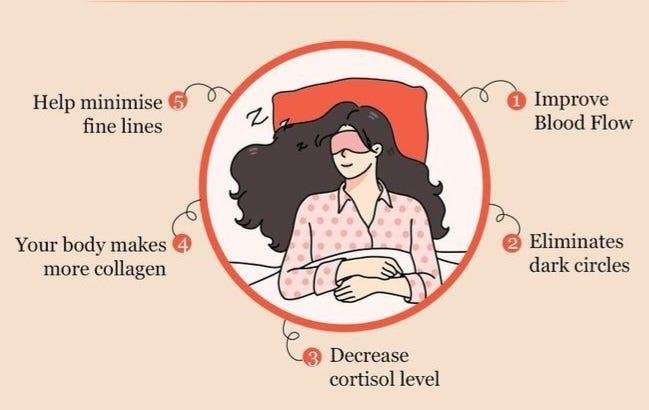
Sleep is essential for sleep and skin repair.
During deep sleep:
- Collagen production increases
- Skin cells regenerate
- Damage from daily stress is repaired
Poor sleep accelerates skin ageing, making this one of the most effective areas to improve.
2. Incorporate Adaptogens
Adaptogens such as ashwagandha and rhodiola help regulate cortisol levels.
By reducing stress internally, they help slow stress and skin ageing and improve your body’s resilience against environmental and emotional stressors.
3. Practice Mindfulness and Breathwork
Mindfulness practices like meditation, yoga, and breathing exercises help regulate your nervous system.
Lower stress levels mean reduced skin inflammation and fewer visible effects of stress on skin health, including breakouts and dullness.

Need help choosing the right treatment? Contact us today for expert advice tailored to your skin concerns.
4. Upgrade Your Skincare Routine
Your skincare routine should be designed to protect and restore your skin.
Focus on:
- Vitamin C for antioxidant protection
- Retinol to boost collagen
- Hyaluronic acid for hydration
- Niacinamide to calm inflammation
These ingredients directly address how stress affects skin at a cellular level.
Anti-Ageing Treatments
Professional treatments can enhance collagen production and restore skin vitality. Explore advanced anti-ageing solutions designed for long-term results.
5. Eat Your Way to Resilient Skin
There’s a strong connection between diet and skin health.
A nutrient-rich diet helps:
- Reduce inflammation
- Strengthen the skin barrier
- Combat oxidative stress
Poor nutrition, on the other hand, worsens stress and skin ageing and weakens your skin’s ability to repair itself.
FAQs
- Can stress cause wrinkles overnight?
Not instantly, but repeated stress accelerates stress and skin ageing, leading to visible wrinkles over time.
- Is skin inflammation caused by stress?
Yes, stress is a major trigger of skin inflammation, which contributes to ageing and sensitivity.
- What are the main causes of premature skin ageing?
Stress, poor sleep, diet, and environmental damage are key premature skin ageing causes.
- How does lifestyle affect skin ageing?
It plays a major role. Sleep, diet, and stress levels define how lifestyle affects skin ageing.
- Does diet really improve skin health?
Yes, strong diet and skin health habits support repair, hydration, and long-term resilience.
ConclusionÂ
Stress and skin ageing are deeply connected, but the damage can be managed. By improving sleep, diet, and skincare while reducing stress, you can protect your skin effectively.Â
Consistent, healthy habits not only prevent premature ageing but also support stronger, clearer, and more resilient skin over time.